Johns Hopkins Hospital – Baltimore
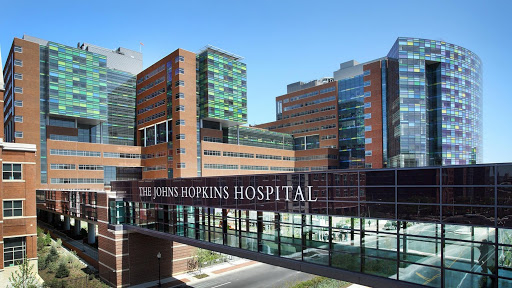
The Johns Hopkins Hospital has established itself as a reliable destination for Cardiology, Oncology, Neurology, Psychiatry, and Surgery care in Baltimore. The practice combines clinical expertise with a commitment to patient education, ensuring that individuals and families can make informed decisions about their health.
The Johns Hopkins Hospital actively invests in staying current with clinical advances. Staff participate in ongoing training, and the practice adopts evidence-based updates to treatment protocols as they become established in the medical literature.
Our Services
Cardiology
Cardiovascular care at our facility covers everything from routine blood pressure management to complex arrhythmia workups. Our cardiologists use the latest imaging tools to get an accurate picture of your heart health.
Oncology
Managing cancer requires a team that coordinates across specialties. Our oncology services include chemotherapy administration, immunotherapy, and hormone therapy, supported by on-site laboratory and imaging services.
Neurology
Our neurology team evaluates and manages conditions affecting the brain, spinal cord, and peripheral nervous system. Patients are referred or self-referred for issues including persistent headaches, dizziness, memory problems, numbness, and movement disorders.
Psychiatry
Psychiatric treatment at our practice is an ongoing, collaborative process. We adjust medication and therapy recommendations over time based on response, side effects, and changes in the patient's life circumstances.
Surgery
From elective procedures to urgent surgical needs, our team brings extensive training and a patient-centered approach to the operating environment.
Patient Experience
Reviews of The Johns Hopkins Hospital highlight a practice where medical excellence and genuine care for patient wellbeing go hand in hand. First-time visitors frequently describe the experience as refreshingly thorough compared to what they have encountered elsewhere.
Insurance & Payment
The Johns Hopkins Hospital works with a broad range of insurance providers to ensure that Baltimore patients can access care without unnecessary financial barriers. The billing team can verify coverage prior to your visit and assist with any questions regarding co-pays, deductibles, or out-of-network considerations. Self-pay patients are welcome, and payment plan options may be available upon request.
Frequently Asked Questions
What symptoms should prompt a cardiology referral?
Chest pain or pressure, palpitations, unexplained shortness of breath, dizziness, fainting, and swelling in the legs are all symptoms that warrant evaluation by a cardiologist. A primary care provider can help determine whether a referral is appropriate.
What is an echocardiogram and do I need one?
An echocardiogram uses ultrasound to create images of the heart's structure and function. It is ordered when a cardiologist needs to assess valve function, heart muscle performance, or structural abnormalities that cannot be fully evaluated by ECG alone.
How can I reduce my risk of heart disease?
Key modifiable risk factors include smoking, high blood pressure, elevated LDL cholesterol, physical inactivity, excess body weight, and poorly controlled diabetes. Regular check-ups, medication when appropriate, and lifestyle modifications all contribute to meaningful risk reduction.
Patients visiting The Johns Hopkins Hospital will find the clinic situated in Baltimore at 1800 Orleans St, Baltimore, MD 21287. The front desk is reachable at +1 410-955-5000 for scheduling and general inquiries.
Opening Hours
| Sun | 12:00AM–Open 24h |