George Washington University Hospital – Washington DC
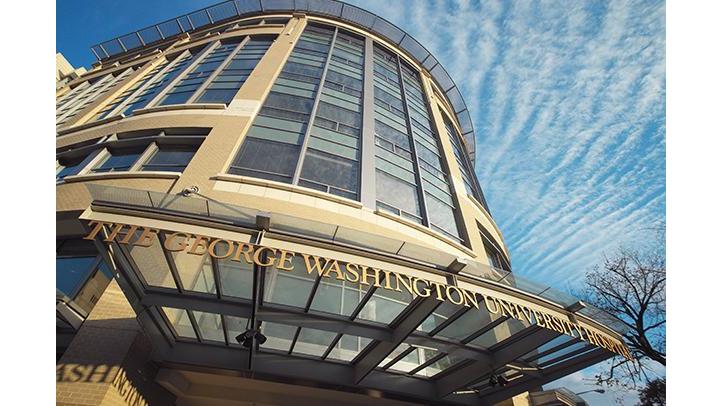
The George Washington University Hospital brings accessible Cardiology, Oncology, Orthopedics, Neurology, Gynecology, Urgent Care, and Surgery care to Washington. With a focus on individualized treatment and open communication, the clinic has earned a reputation for thoughtful, high-quality medicine.
At The George Washington University Hospital, clinical decisions are always made collaboratively with the patient. Providers present options clearly, discuss trade-offs honestly, and respect each individual's preferences and values when designing a care plan.
Our Services
Cardiology
Our cardiologists specialize in the prevention and management of cardiovascular disease at every stage. From lifestyle-based risk reduction programs to advanced diagnostic imaging, we provide the full range of cardiac services under one roof.
Oncology
Oncology at our center is built around personalized medicine. We use molecular profiling and pathology review to identify the most effective treatment strategies for each patient.
Orthopedics
Our orthopedic consultants bring subspecialty expertise in joint reconstruction, sports medicine, and spine care. Patients benefit from an integrated approach that combines accurate diagnosis with a rehabilitation-focused recovery plan.
Neurology
Our neurology team sees patients with both common and complex presentations, from tension headache to early-onset dementia. We offer coordinated care for patients with multiple neurological conditions and maintain close communication with other treating specialists.
Gynecology
Pelvic health encompasses more than reproductive care, and our gynecology team takes a broad view. Pelvic floor dysfunction, urinary incontinence, and sexual health concerns are addressed with the same discretion and expertise as all other aspects of women's healthcare.
Urgent Care
Accessible urgent care means no appointment, no long wait, and no unnecessary trip to the emergency room. Our team manages cuts, burns, fractures, infections, and acute illness with the same professionalism as your regular provider.
Surgery
Minimally invasive surgical techniques are preferred when clinically appropriate. Laparoscopic and robotic-assisted approaches reduce recovery time, minimize post-operative pain, and lower complication rates for suitable patients.
Patient Experience
The George Washington University Hospital takes patient satisfaction seriously, and the results show. Reflects a clinic where the clinical team treats each patient as an individual rather than a case number, investing time in understanding context and history during every appointment.
Insurance & Payment
The George Washington University Hospital accepts multiple insurance plans and strives to keep out-of-pocket costs manageable for all patients. For those without insurance coverage, the billing team can provide a clear estimate of expected costs before services are rendered. Financial assistance resources and community health programs may be available for qualifying patients.
Frequently Asked Questions
How can I reduce my risk of heart disease?
Key modifiable risk factors include smoking, high blood pressure, elevated LDL cholesterol, physical inactivity, excess body weight, and poorly controlled diabetes. Regular check-ups, medication when appropriate, and lifestyle modifications all contribute to meaningful risk reduction.
Is a stress test painful or risky?
Exercise stress tests are generally well-tolerated. Patients walk on a treadmill while heart activity is monitored. For those who cannot exercise adequately, pharmacological stress testing achieves the same diagnostic goals without physical exertion.
What symptoms should prompt a cardiology referral?
Chest pain or pressure, palpitations, unexplained shortness of breath, dizziness, fainting, and swelling in the legs are all symptoms that warrant evaluation by a cardiologist. A primary care provider can help determine whether a referral is appropriate.
The George Washington University Hospital is a Washington-based practice at 900 23rd St NW, Washington, DC 20037. To schedule a visit or speak with office staff, call +1 202-715-4000. The practice welcomes new patients and works to accommodate timely appointments.
Opening Hours
| Sun | 12:00AM–Open 24h |