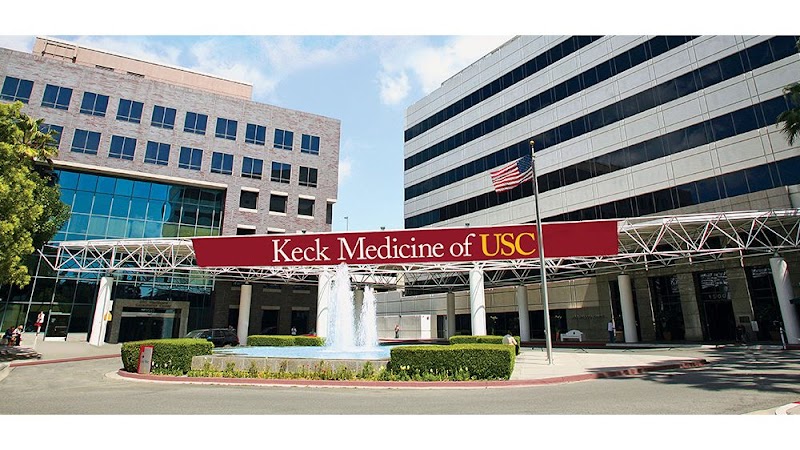
Stanford Health Care – Stanford Medical Center

Stanford Health Care serves the Stanford community with a focus on Cardiology, Oncology, Neurology, and Surgery. The clinical team brings experience across a range of conditions and stays current with evolving treatment guidelines to deliver evidence-based care.
Continuity of care is a priority at Stanford Health Care. Patients who return to the same provider benefit from accumulated clinical knowledge and a therapeutic relationship built on trust and mutual understanding.
Our Services
Cardiology
Our cardiology team handles a wide range of heart and vascular conditions. Common reasons patients come in include chest pain, shortness of breath, high blood pressure, and irregular heartbeat. Diagnostic services include EKG, echocardiogram, Holter monitoring, and stress testing.
Oncology
Our oncology team communicates openly with patients and families at every stage of treatment. We explain options, discuss side effects honestly, and adjust the care plan as the clinical picture evolves.
Neurology
Brain and nerve health significantly affects daily functioning, and our neurology team takes that seriously. We offer specialized clinics for headache, sleep disorders, and movement conditions.
Surgery
Our surgeons provide second opinions and collaborate with referring physicians to confirm that surgery is the appropriate intervention.
Patient Experience
Stanford Health Care takes patient satisfaction seriously, and the results show. Reflects a clinic where the clinical team treats each patient as an individual rather than a case number, investing time in understanding context and history during every appointment.
Insurance & Payment
Stanford Health Care participates in a wide network of insurance plans to serve the diverse needs of the Stanford patient population. Prior authorizations, referrals, and insurance-related paperwork are handled by the administrative team to minimize disruption to the patient's care journey.
Frequently Asked Questions
How can I reduce my risk of heart disease?
Key modifiable risk factors include smoking, high blood pressure, elevated LDL cholesterol, physical inactivity, excess body weight, and poorly controlled diabetes. Regular check-ups, medication when appropriate, and lifestyle modifications all contribute to meaningful risk reduction.
Is a stress test painful or risky?
Exercise stress tests are generally well-tolerated. Patients walk on a treadmill while heart activity is monitored. For those who cannot exercise adequately, pharmacological stress testing achieves the same diagnostic goals without physical exertion.
What symptoms should prompt a cardiology referral?
Chest pain or pressure, palpitations, unexplained shortness of breath, dizziness, fainting, and swelling in the legs are all symptoms that warrant evaluation by a cardiologist. A primary care provider can help determine whether a referral is appropriate.
Stanford patients looking for a reliable provider will find Stanford Health Care at 300 N Pasteur Dr, Stanford, CA 94305. The practice can be reached at +1 650-723-4000 during business hours. The team is committed to prompt responses to patient inquiries.
Opening Hours
| Sun | 12:00AM–Open 24h |